
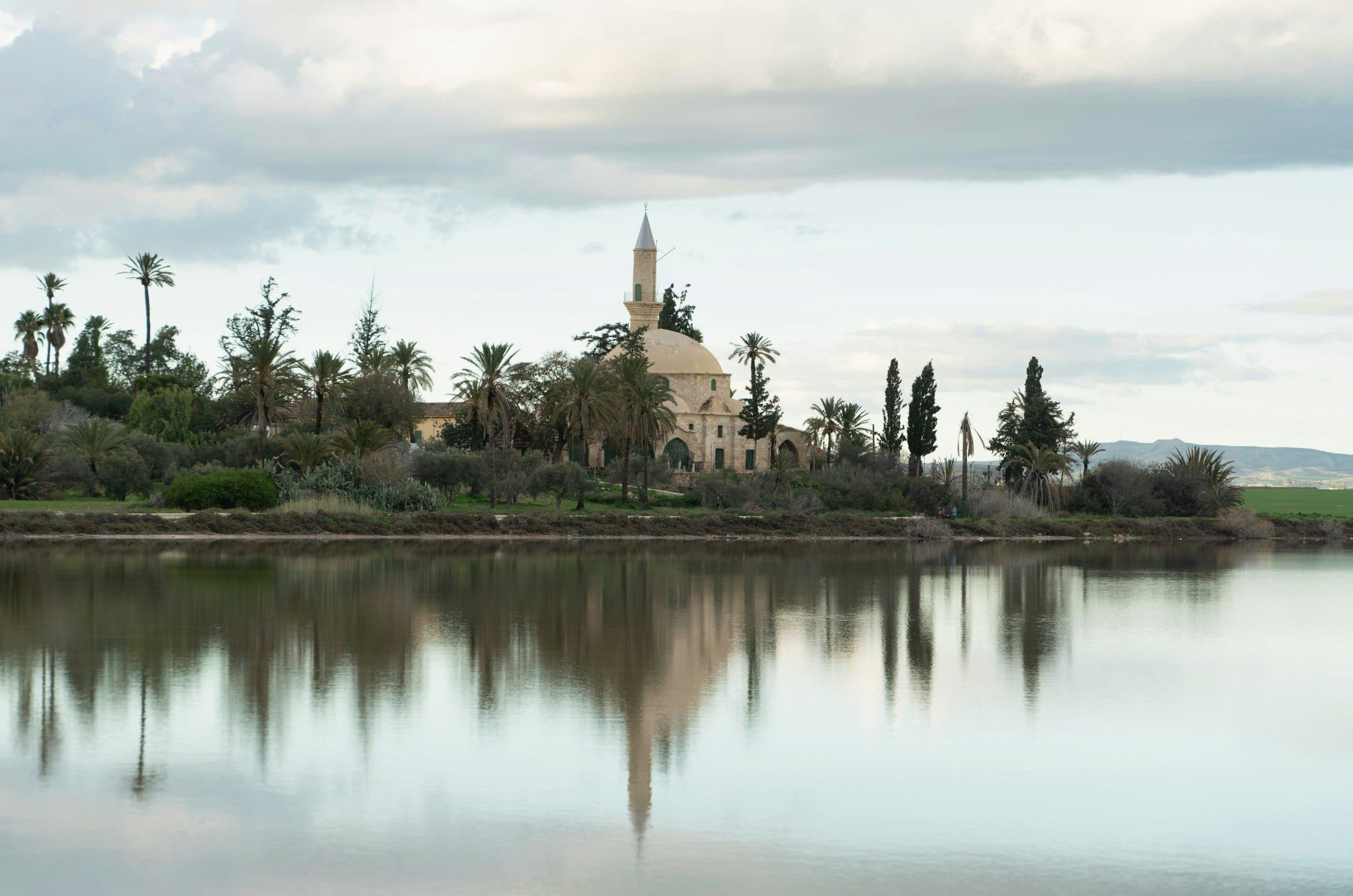
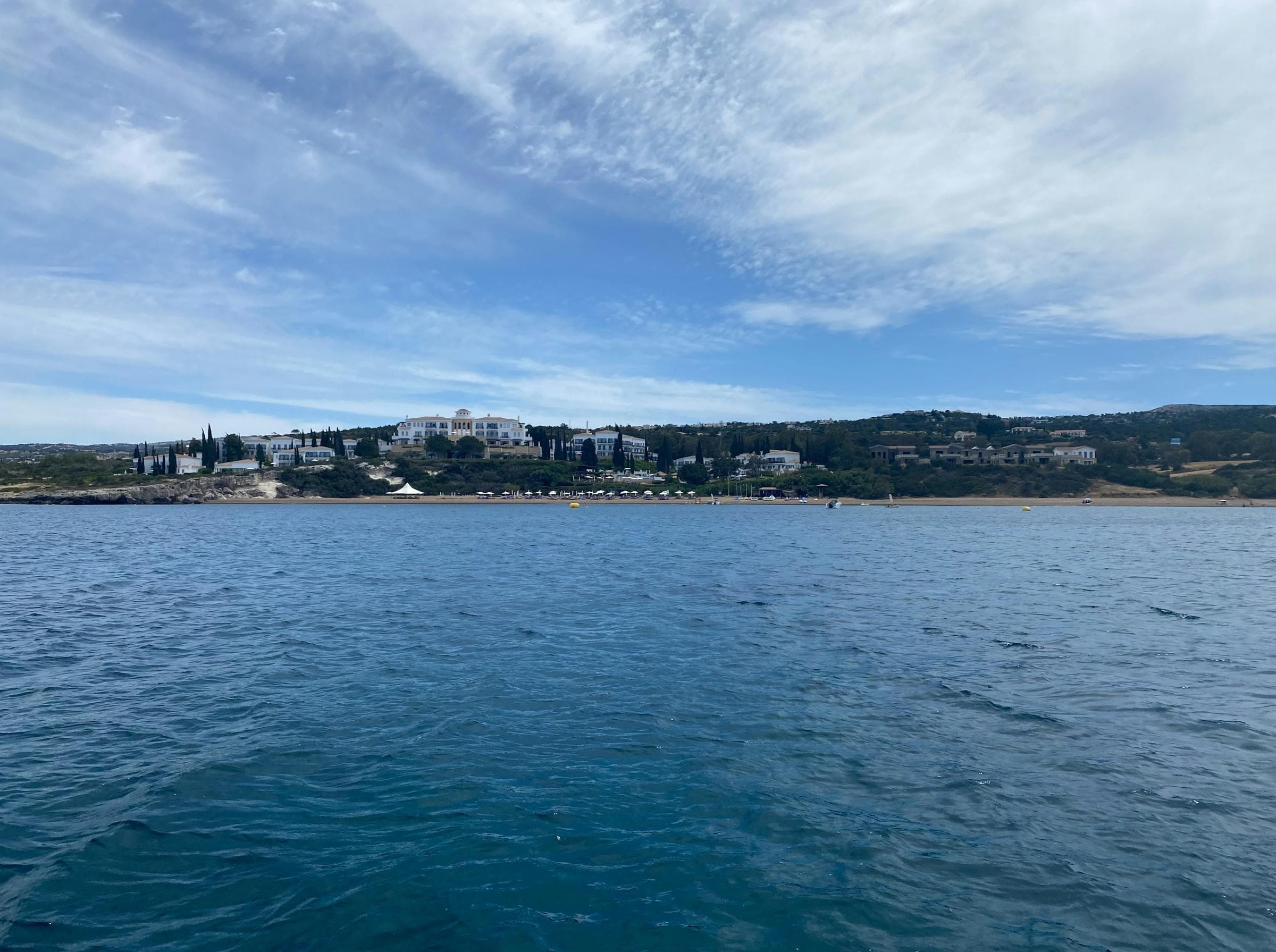

Limassol at a glance
Limassol lies on the south coast between Paphos to the west and Larnaca to the east. According to the 2021 census, around 262,000 people live in Limassol district – just over 28 per cent of the population in the government-controlled part of the island. Only Nicosia district is larger.
The city is home to the island’s main passenger and container port and has become a base for international companies in recent years, for example in shipping, financial services and technology. That shapes daily life: English is a matter of course in business and many shops, and the choice of private and international schools is wider than in other cities.
Living and daily life
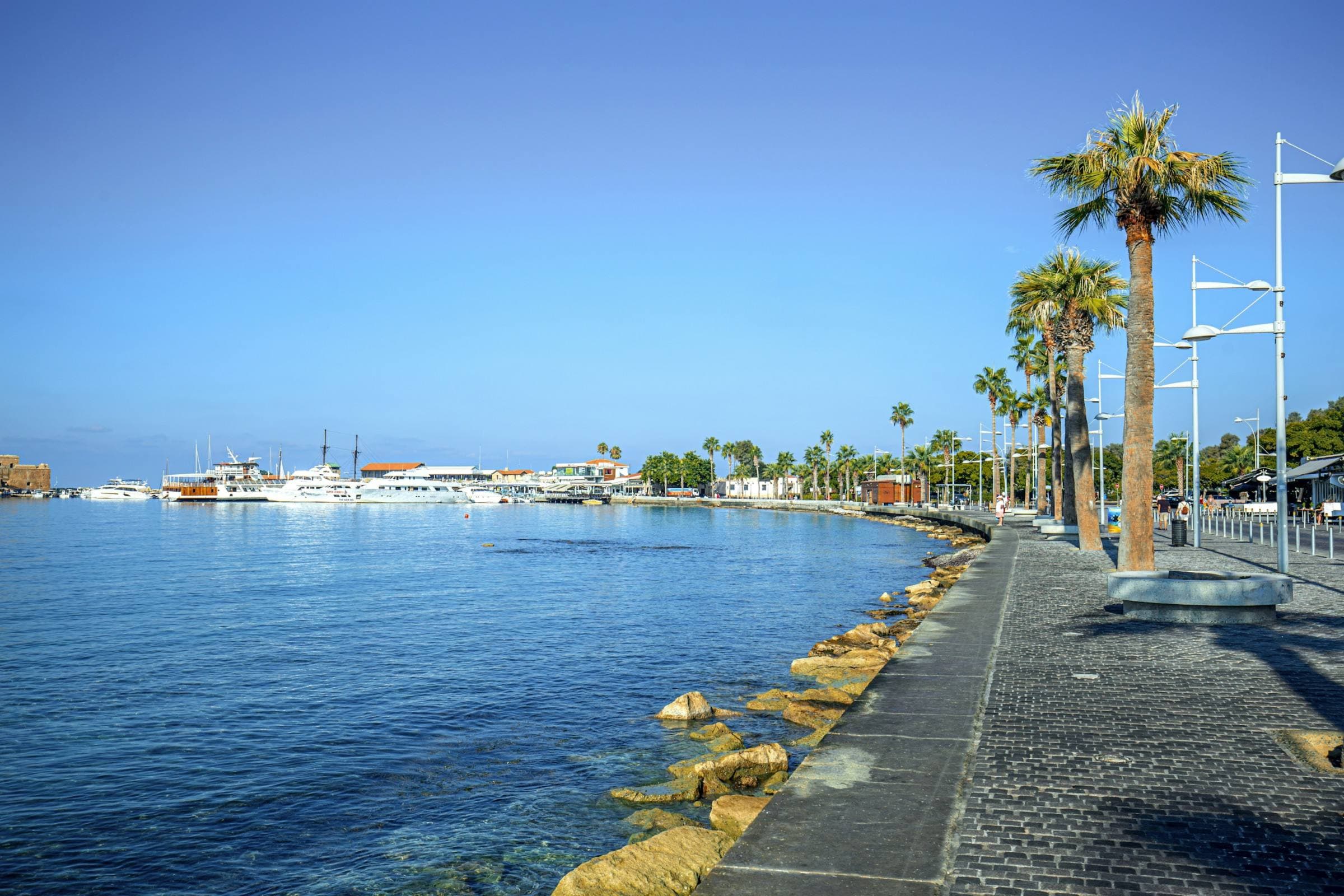
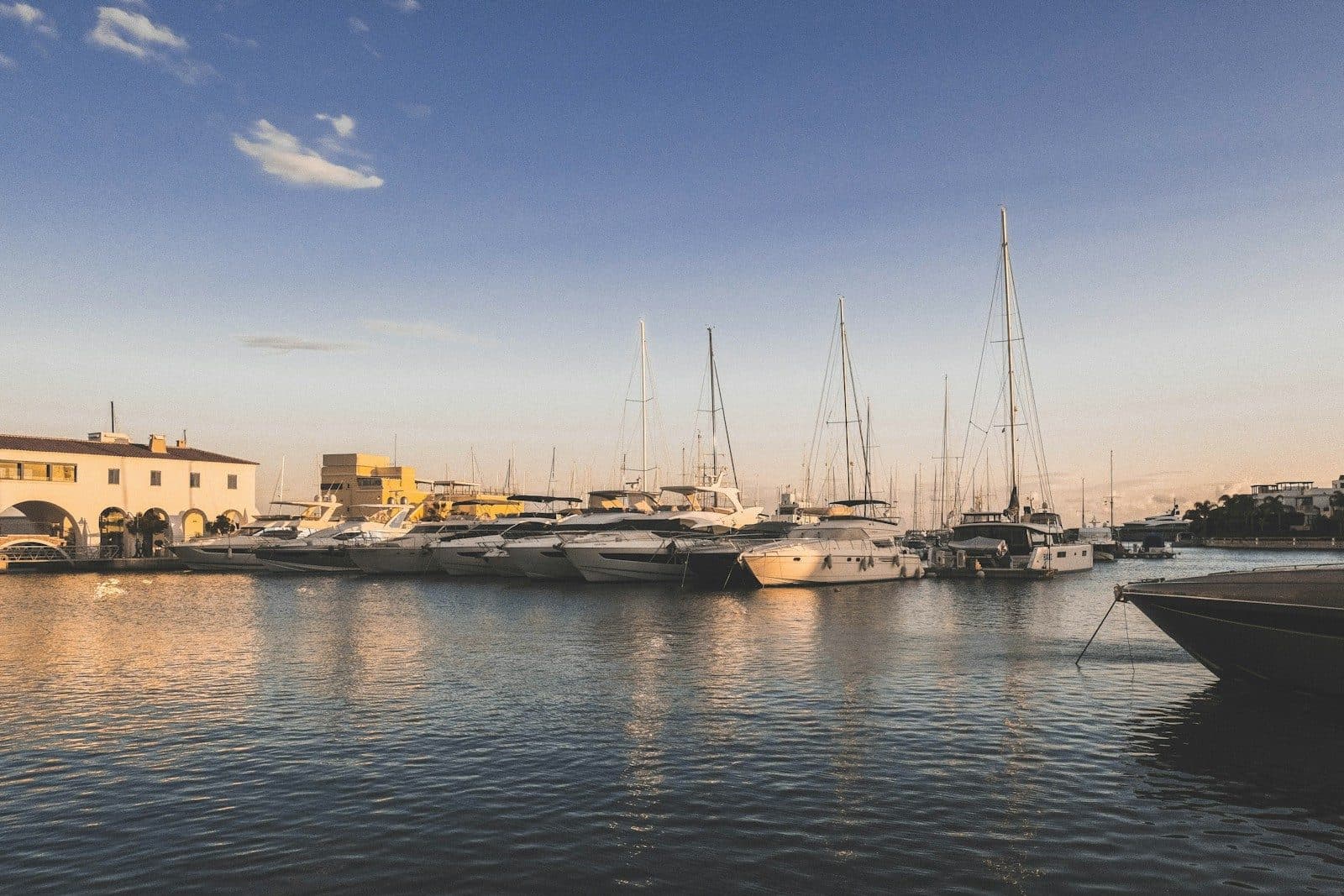
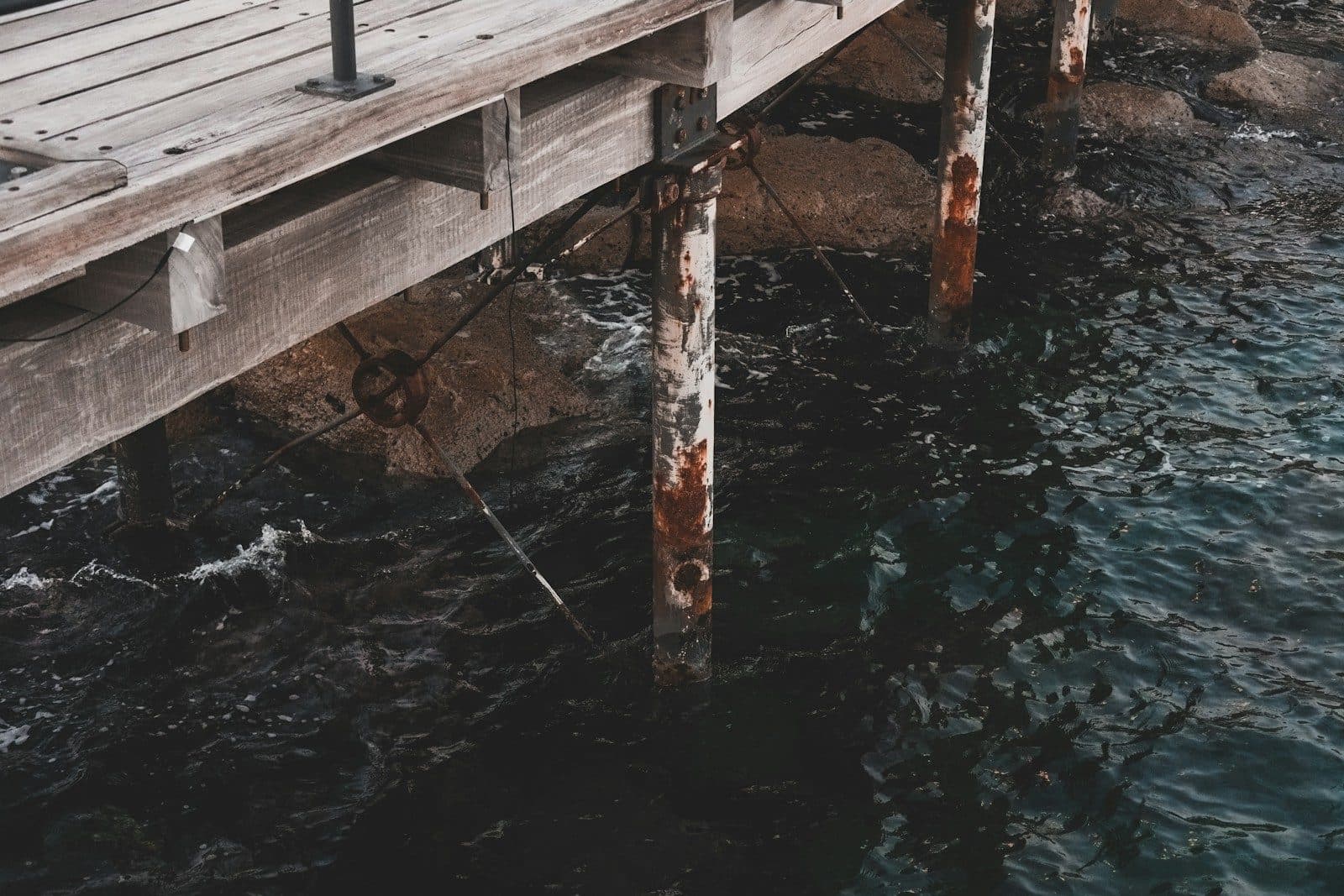
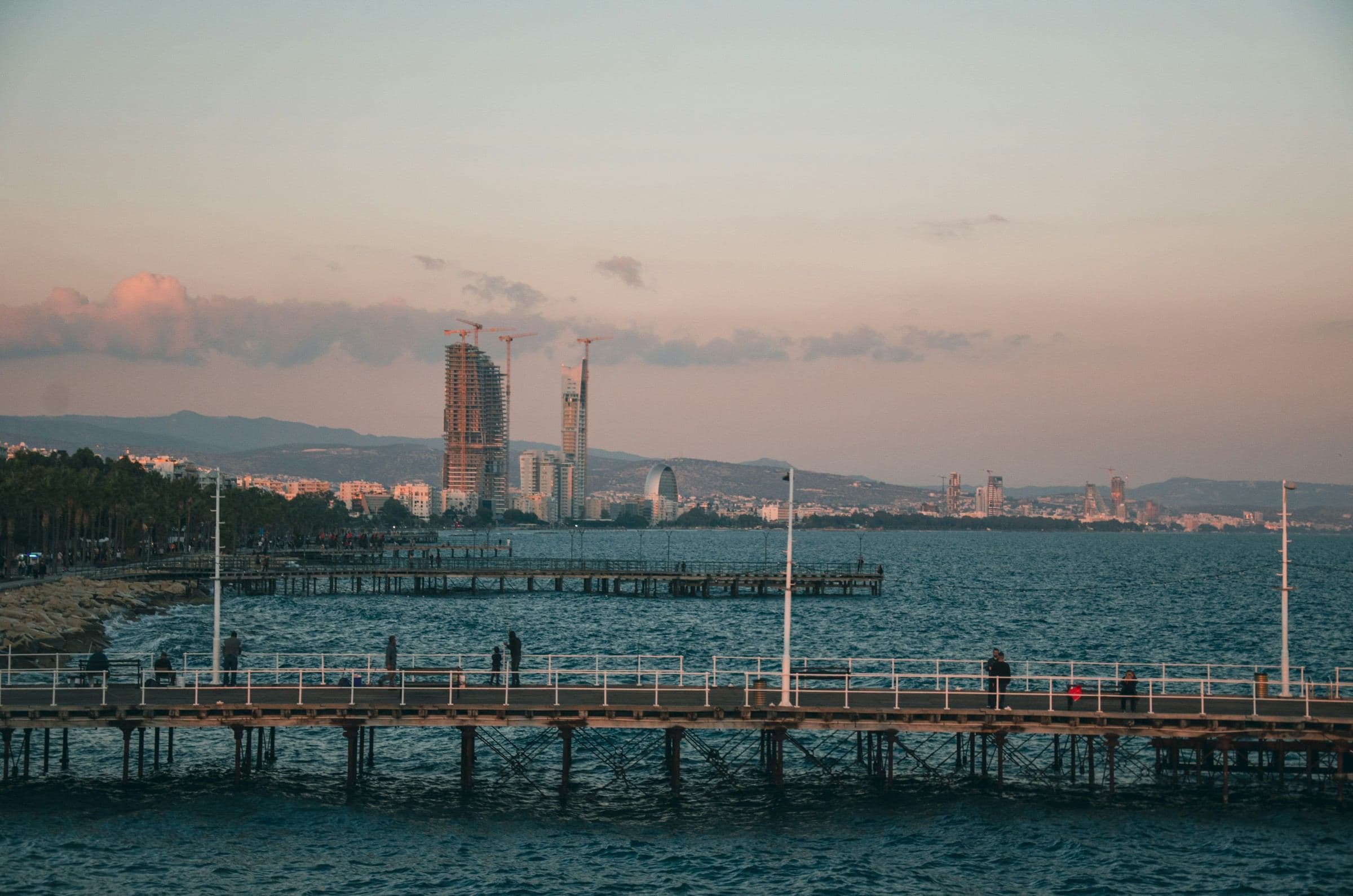
The heart of the city is the coast: the Molos promenade with its sculpture park runs from the old town to Limassol Marina with restaurants, shops and yachts. In the old town around the medieval castle you will find narrow streets, tavernas and markets.
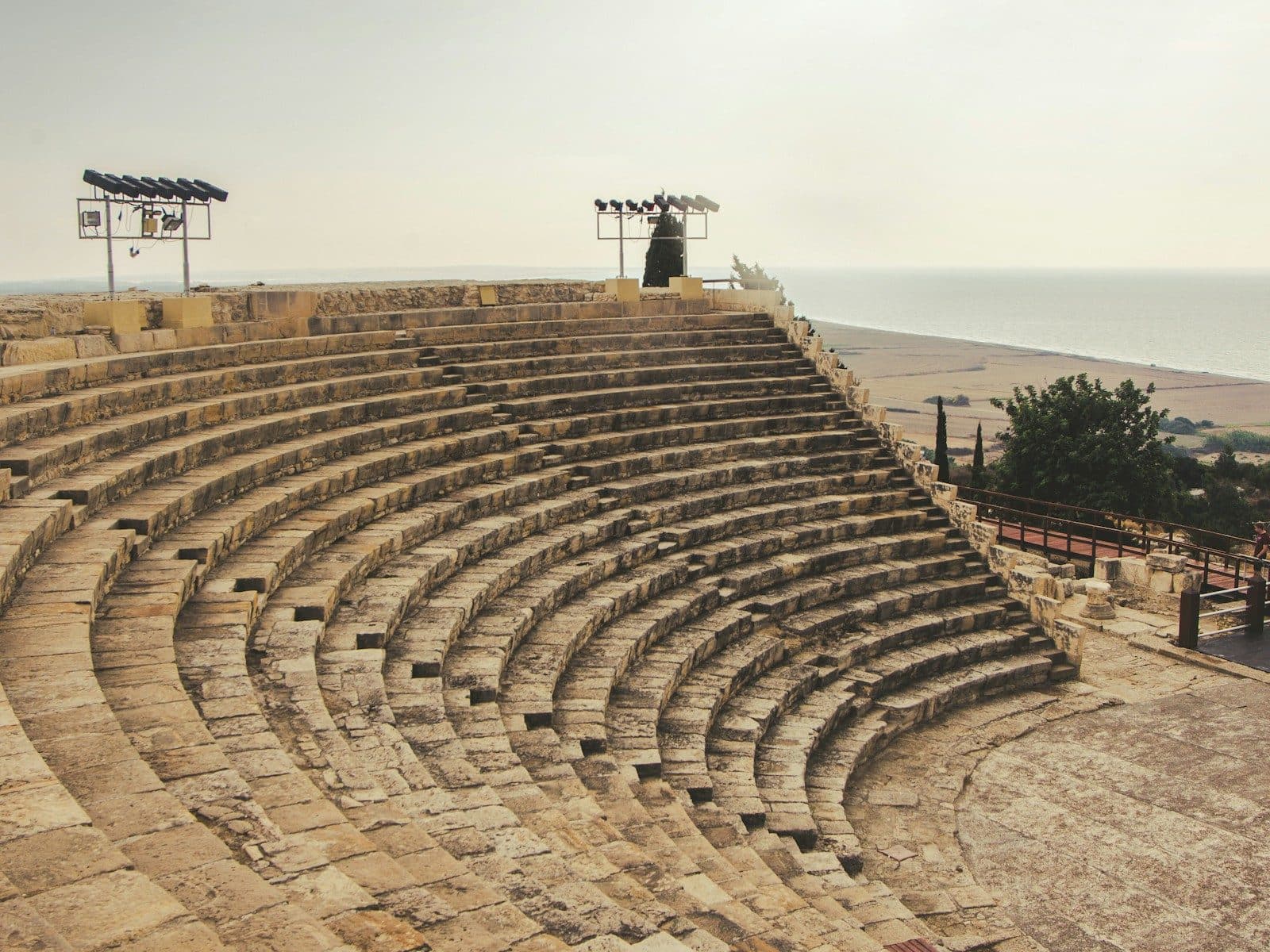
Some of the island’s best-known sights lie nearby – the ancient site of Kourion on the cliffs above the sea and Kolossi castle, associated with the sweet wine Commandaria. The Troodos mountains and their wine villages are around an hour away. Through the year, events such as the carnival and the wine festival shape city life.
Location and getting there
Limassol has no airport of its own but sits conveniently between the two international airports, Larnaca and Paphos. Both are usually 45 to 60 minutes away via the motorway – longer at rush hour. A car makes sense for daily life in most areas; public buses connect the neighbourhoods and the other cities.
Property market: what buyers look out for
Limassol is considered the island’s most expensive property market, especially near the coast and in new developments with sea views. Further inland and in the villages east and west of the city, prices are generally lower. Because the market changes quickly, we deliberately do not quote prices per square metre – compare current listings and have licensed partners explain how prices are formed.
A large share of supply is new builds. These usually carry VAT instead of transfer fees; under certain conditions a reduced rate of 5 per cent can apply. For apartments in completed complexes, it pays to check the title deed.
Neighbourhoods at a glance
A first orientation – which area fits depends on your daily life, budget and how you will use the property.
Old town & centre
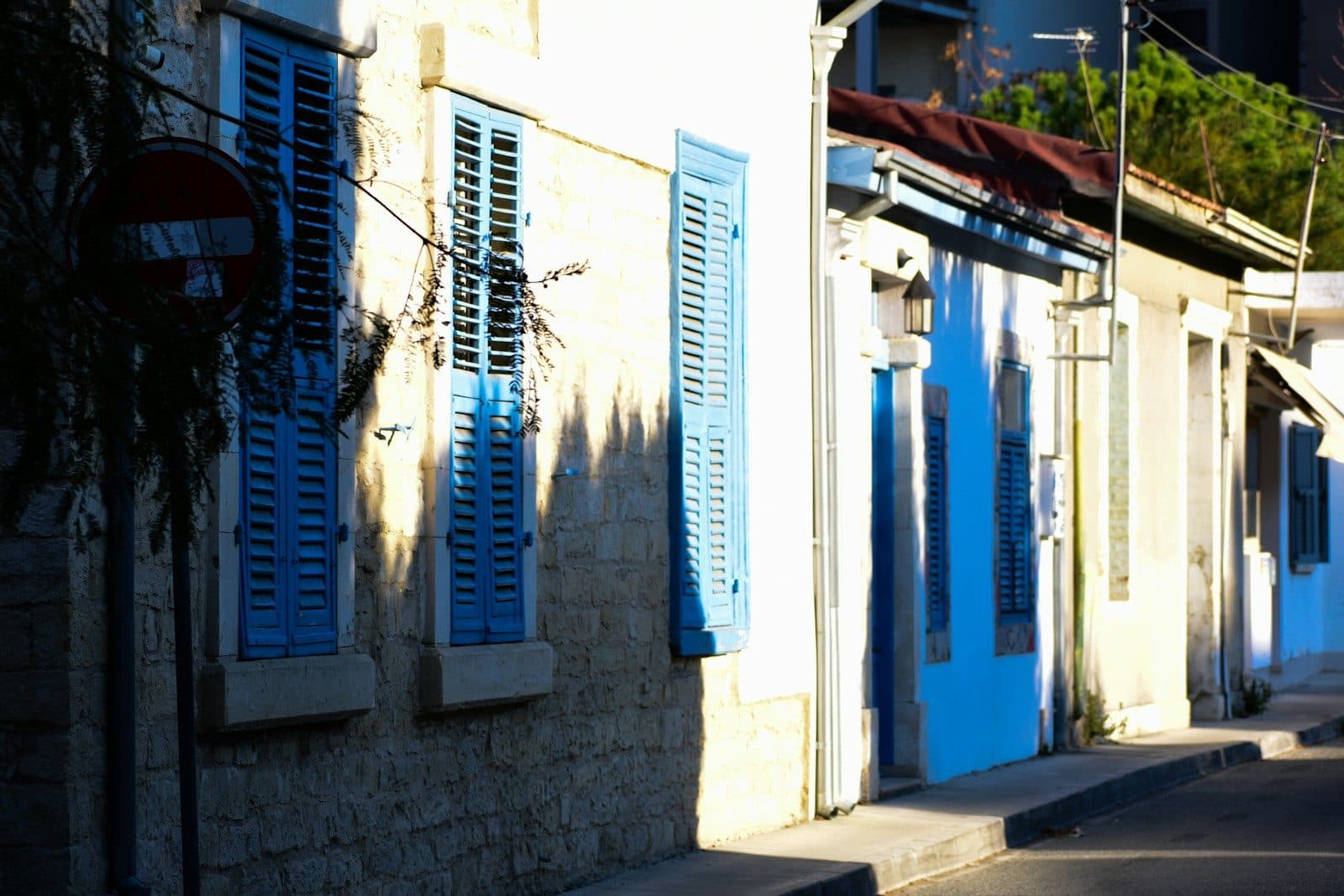
Historic core around the castle, markets and restaurants; older houses, apartments and increasingly renovated buildings. Lively, but parking is scarce.
Molos & Marina
The front row by the sea with the promenade and marina. Upmarket apartments and high-rise projects, the highest price level.
Germasogeia
East of the city between coast and hills: a tourist strip by the beach, quieter residential streets and family homes behind it.
Agios Tychonas & Amathus
Further east, an upmarket area with beach hotels, villas and views across the bay; the ancient site of Amathus lies right by the sea.
Mesa Geitonia & Agios Athanasios
Residential areas inland with schools, supermarkets and businesses. Practical for families and commuters, less touristy.
Zakaki & the west
Around the new port and the casino resort in the west of the city; lots of construction and a range of price levels.
Pros & cons
What speaks for it
- The widest choice of jobs, schools, restaurants and services on the south coast.
- A large international community; English widely spoken in daily life.
- Central location between both airports and close to the Troodos mountains.
- Promenade, marina and beaches right in the city.
What to consider
- The island’s highest price level, especially near the coast.
- Heavy traffic on the main roads at rush hour.
- Many high-rise projects are changing the coastal skyline.
- Hot, often humid summers near the sea.
Particularly suits
- Professionals & entrepreneurs
- Families needing schools
- City lovers
- Buyers with a larger budget
Impressions
Sources
- Press and Information Office: Census of Population and Housing 2021 – final results (09.08.2024)
- Deputy Ministry of Tourism – Visit Cyprus (official tourism portal)
- Hermes Airports: Larnaka and Pafos airports
- Department of Lands and Surveys – online portal
Information as of the date above. Rules and amounts can change – the linked official bodies are authoritative.
General information, not legal, tax or investment advice.