

Paphos at a glance
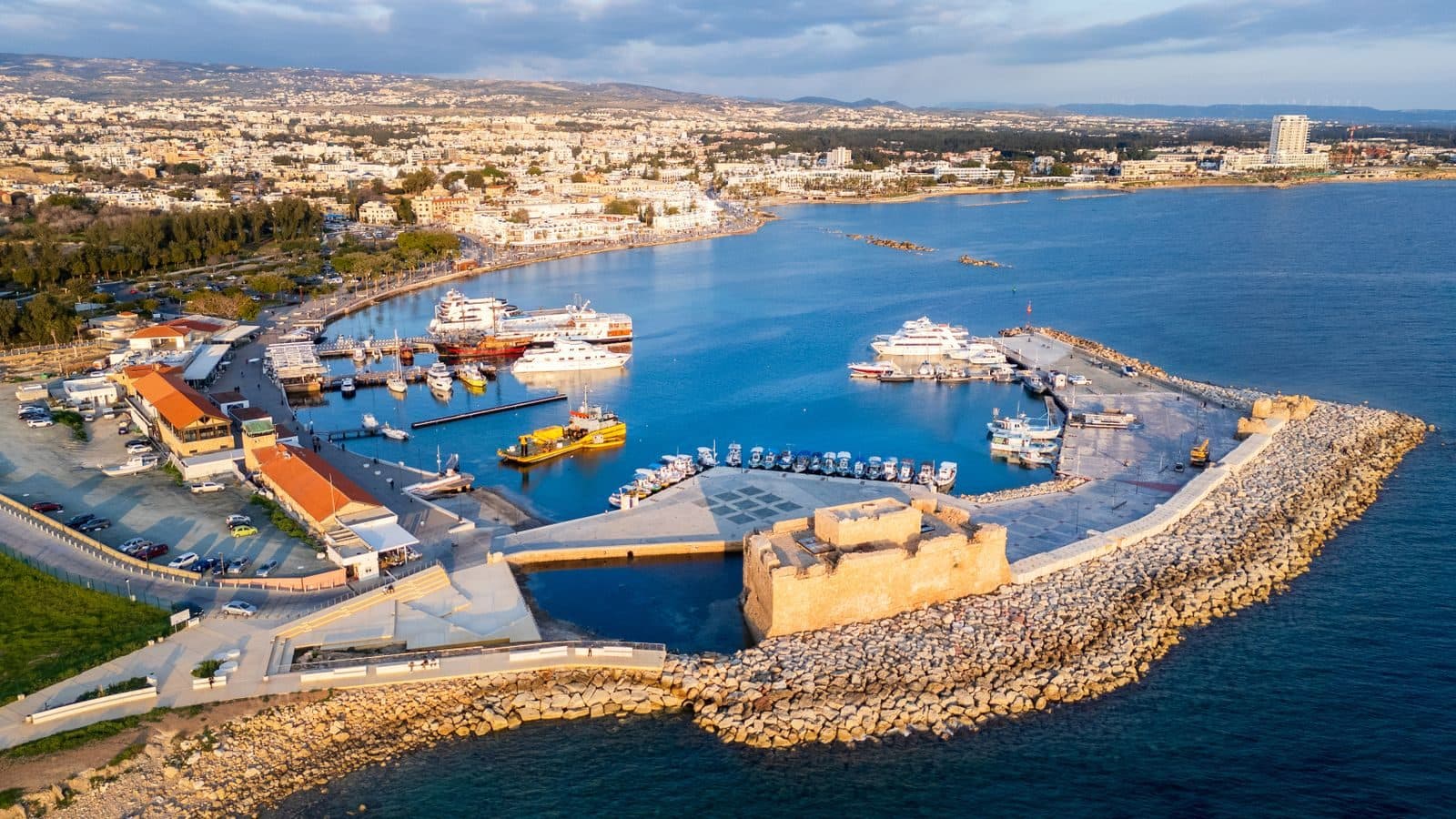
Paphos lies in the south-west of Cyprus. The district accounts for almost 11 per cent of the population, around 100,000 residents, and according to the census grew by 14.5 per cent between 2011 and 2021 – faster than Limassol. The city itself divides into the harbour area of Kato Paphos and the upper town with the market and administration.
In 2017 Paphos was European Capital of Culture together with Aarhus. Culture and tourism still shape the city; in winter the tourist districts become much quieter.
History you see every day
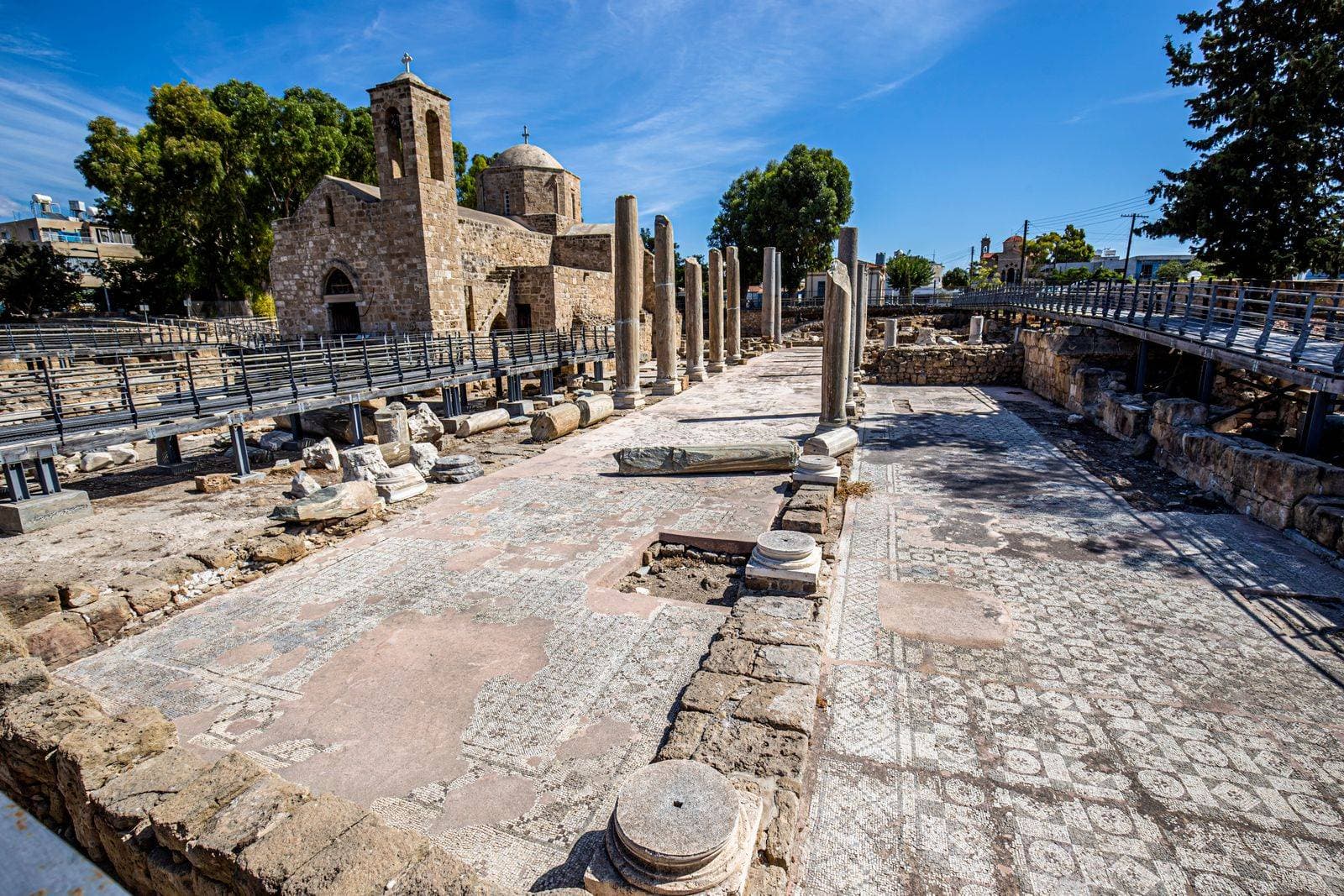
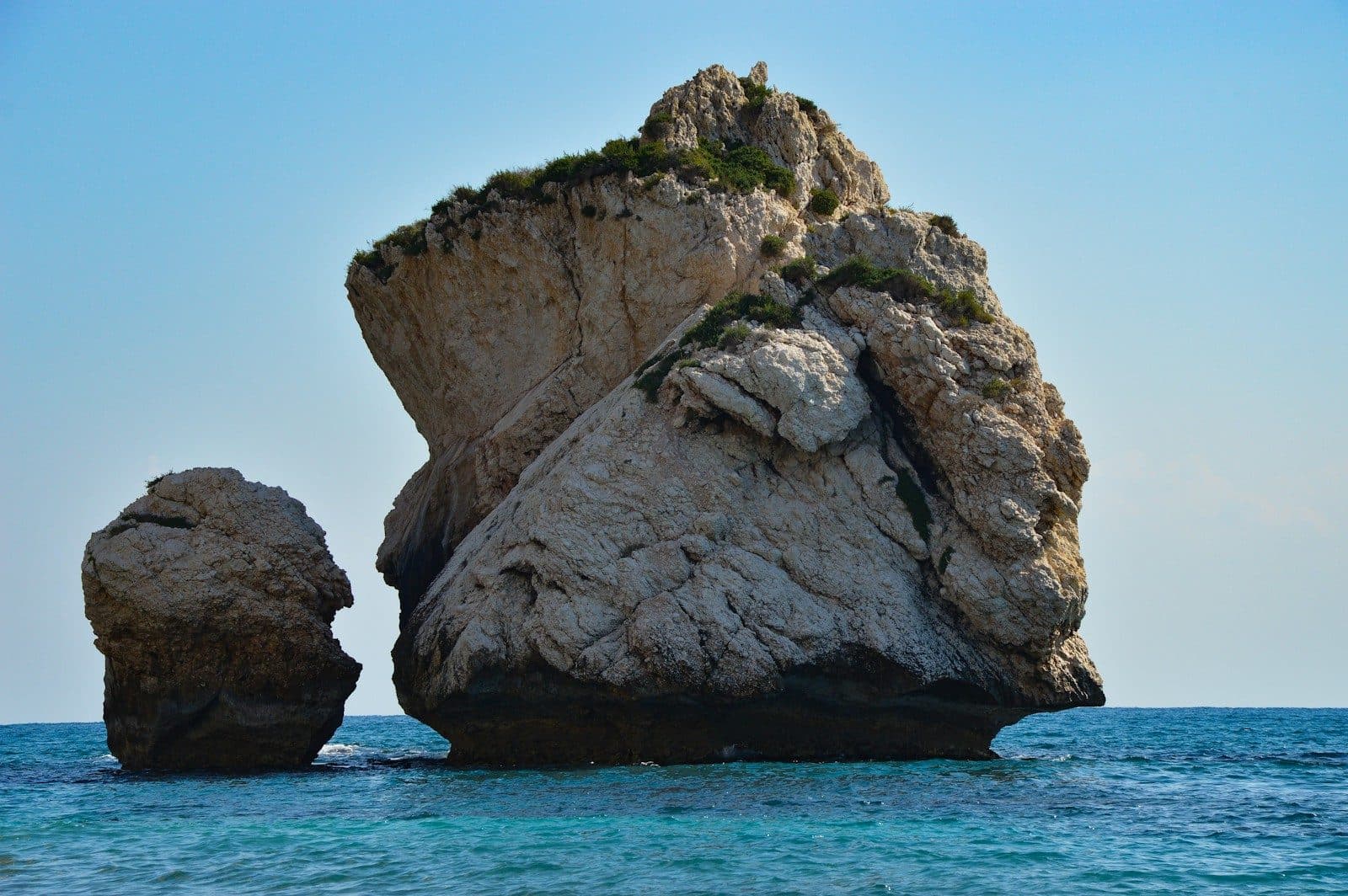
Since 1980 the ancient sites of Paphos have been on the UNESCO World Heritage List. In the Archaeological Park of Kato Paphos you can see Roman villas with famous mosaic floors, the Odeon and the Agora; a little to the north lie the Tombs of the Kings. The sanctuary of Aphrodite in the village of Kouklia is also part of the World Heritage site. On the coast east of the city stands Aphrodite’s Rock, Petra tou Romiou.
Living and daily life
Paphos is calmer than Limassol and Larnaca. Many newcomers – including a large British community – live in the villages around the city, such as Peyia, Tala or Chloraka. That has created a well-established English-speaking infrastructure: doctors, tradespeople, clubs and meeting places. For daily life on the hillsides you need a car.
To the north the landscape opens up to the Akamas peninsula – nature reserve, hiking trails and undeveloped coastline. If you want it even quieter, the Polis place guide describes the alternative in the north-west.
Property market: what buyers look out for
In Paphos you will find apartments near the town and the beach as well as villas with sea views in the hills. Especially for older complexes and in villages, a careful check of the title deed and possible encumbrances pays off. Buyers from non-EU countries need a permit, and processing can take longer in Paphos district than elsewhere.
Neighbourhoods at a glance
A first orientation – which area fits depends on your daily life, budget and how you will use the property.
Kato Paphos
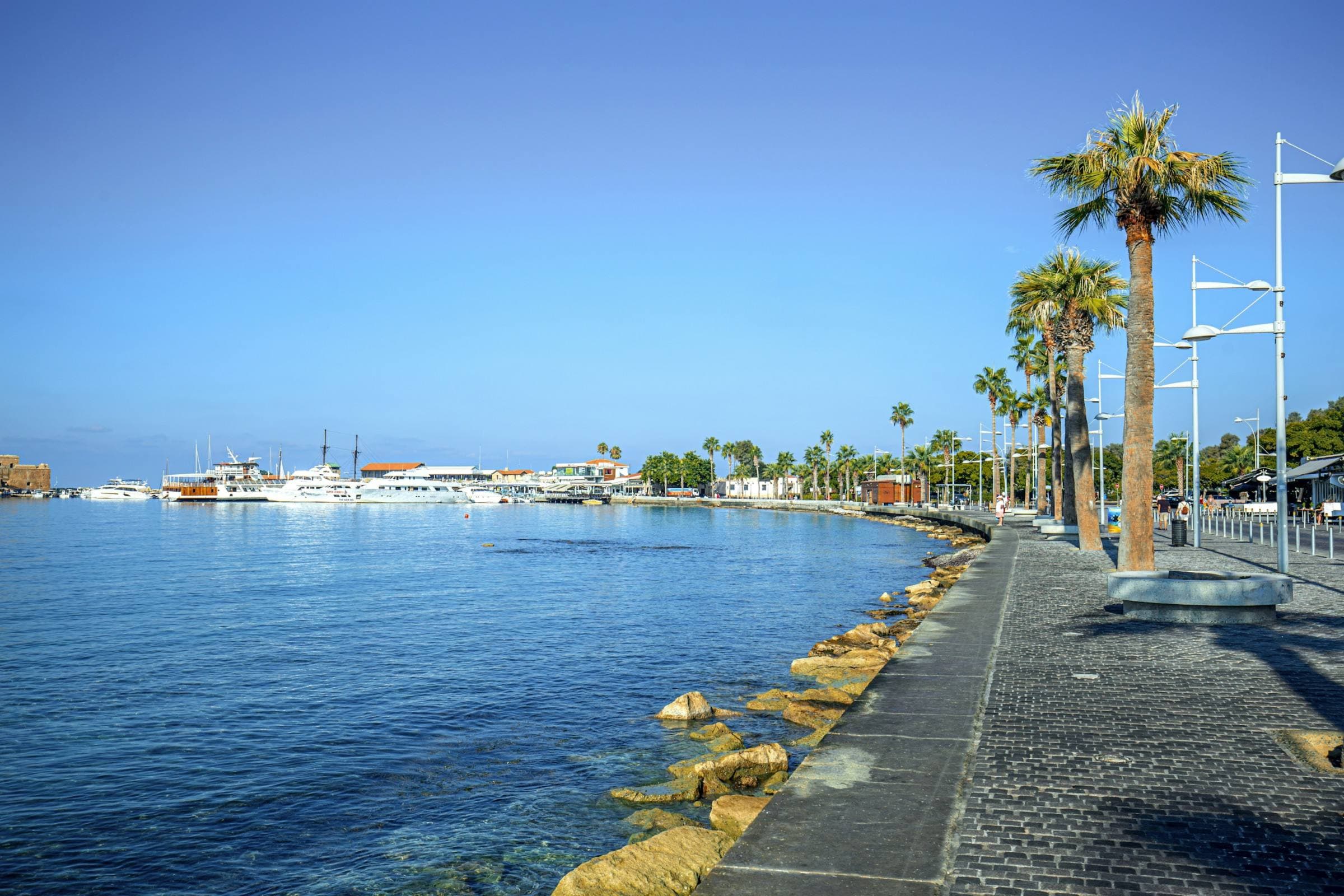
Harbour, promenade and archaeological park. Many apartments and holiday complexes; touristy, quiet in winter.
Centre & upper town (Ktima)
Market, authorities, schools and shops – the city’s year-round everyday centre.
Chloraka
Coastal village north of the city with sea views and short trips into Paphos; a mix of locals and newcomers.
Peyia & Coral Bay
Very popular with newcomers: villas and complexes on the hillside, the sandy beach of Coral Bay, close to the Akamas peninsula.
Tala & Tsada
Hillside villages with wide views over the city and the sea; quiet and green, a car is a must.
Geroskipou
East of the city towards the airport; residential areas with everyday infrastructure and a beach nearby.
Pros & cons
What speaks for it
- World-class culture and history on your doorstep.
- Its own international airport.
- A calmer pace and a large, well-established English-speaking community.
- Nature: the Akamas peninsula and undeveloped coastline nearby.
What to consider
- A smaller job market than Limassol or Nicosia.
- On the hillsides you depend on a car.
- Tourist districts are very quiet in winter.
- Permits for non-EU buyers can take longer here.
Particularly suits
- Retirees
- Nature lovers
- Culture enthusiasts
- Buyers of villas with a view
Impressions
Sources
- Press and Information Office: Census of Population and Housing 2021 – final results (09.08.2024)
- UNESCO World Heritage Centre: Paphos (list no. 79, inscribed 1980)
- Deputy Ministry of Tourism – Visit Cyprus: Archaeological Park of Kato Pafos
- Hermes Airports: Larnaka and Pafos airports
- Deputy Ministry of Tourism – Visit Cyprus (official tourism portal)
Information as of the date above. Rules and amounts can change – the linked official bodies are authoritative.
General information, not legal, tax or investment advice.